
JILIAA - Unraveling Mahjong: A Classic Game with Modern Appeal
Explore the origins, rules, and modern-day relevance of Mahjong, a captivating game with a storied history.
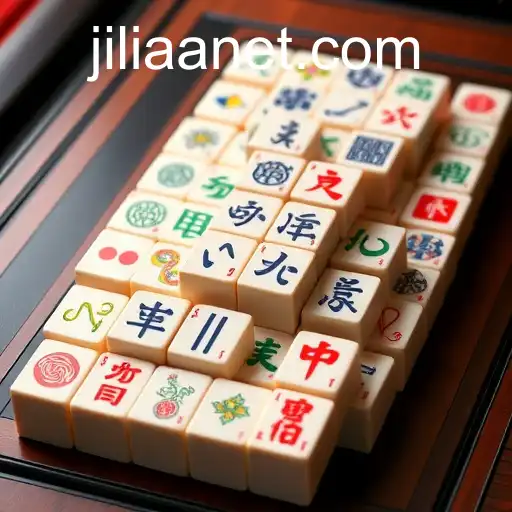
Unraveling Mahjong: A Classic Game with Modern Appeal
Mahjong is a game that has captivated players for centuries, originating in China and expanding globally to become both a cultural and recreational staple. Known for its intricate strategy and rich tradition, Mahjong has evolved over time while retaining its core elements. Let's explore its fascinating history, intricate rules, and its relevance in today's gaming landscape, even as it intersects with modern ventures such as JILIAA.
The Origins of Mahjong
The exact origins of Mahjong are shrouded in mystery, with theories suggesting development during the Qing Dynasty or even earlier during the Ming Dynasty. Though the etymology of the word "Mahjong" may vary, it is widely believed to refer to "sparrow" due to the sound tiles make when shuffled. The game initially gained popularity in China before spreading to Japan, the United States, and beyond in the early 20th century.
Basic Components of Mahjong
A standard Mahjong set consists of 144 tiles typically crafted from bone or bamboo, but modern sets can be made of plastic or resin. These tiles are divided into suits: Characters, Bamboos, and Dots, each ranging from one to nine. Additionally, there are Honor tiles, which include four Wind tiles and three Dragon tiles, and bonus Flower and Season tiles that can alter the game dynamics. Players also use dice to determine seating and the start of play.
Rules and Objective
The primary objective of Mahjong is to build a complete hand of 14 tiles, divided into four sets and a pair. Sets can either be Chow (a sequence of three consecutive tiles in the same suit), Pung (three identical tiles), or Kong (four identical tiles). A player achieves Mahjong by drawing or claiming tiles to make the necessary combinations.
Game Play
Mahjong is typically played by four players, though variations with three or more participants exist. It begins by shuffling and dealing the tiles, with each player receiving a starting hand of 13 tiles. The game rotates counterclockwise, with players drawing a new tile at the beginning of a turn, then discarding one tile.
Winning a Game
A player can win by drawing a winning tile themselves or by claiming a discard to complete their hand. Some variations include "robbing the kong," where a player can claim a tile used to expand a Pung into a Kong to form a winning hand.
Strategies and Skills
While learning the rules of Mahjong is relatively straightforward, mastering the game requires understanding probability, strategic tile discarding, and reading opponents' intentions. Proficient players might count tiles to anticipate what remains in play and adjust their strategies to prevent others from winning.
Global Spread and Cultural Significance
Mahjong rapidly gained popularity outside Asia, especially in the United States during the 1920s. The National Mahjong League in America, founded in 1937, standardized rules across regions, solidifying its cultural presence. Today, Mahjong is enjoyed recreationally and competitively worldwide, with numerous variations reflecting regional cultural nuances.
Mahjong in the Digital Age
The advent of technology has seen Mahjong's transition into digital formats on various platforms, making it accessible to a broader audience. Online Mahjong games, mobile apps, and digital simulation contribute to its ongoing popularity, offering players diverse formats and community features.
Intersection with JILIAA
Among modern ventures, JILIAA has entered the scene by combining traditional Mahjong elements with innovative digital solutions. These evolving platforms offer opportunities to experience Mahjong in contemporary settings, with interactive formats and AI-enhanced gameplay. By leveraging technology, JILIAA enables players to engage with Mahjong under unique and dynamic circumstances, possibly integrating social elements and competitive play to revitalize engagement.
Modern Championships and Competitive Play
Mahjong leagues and competitions have formed globally, offering competitive players the chance to showcase their skills. Major tournaments, such as the World Mahjong Championship, bring together top players for intense strategy showcases. These events underscore Mahjong's enduring appeal and its competitive edge in the realm of intellectual games.
Conclusion
Mahjong is not just a game but a cultural artifact reflecting history, tradition, and innovation. As it continues to evolve, embracing digital transformations like those offered by JILIAA, Mahjong remains both a cherished pastime and a dynamic element of global gaming culture.








GOLD VIP
Minimum deposit: ₱1,500
- ✅ 150% bonus on all deposits
- ✅ Priority withdrawal in 1 minute
- ✅ 10% cashback weekly
- ✅ VIP support 24/7
- ✅ Higher betting limits
PLATINUM VIP
Minimum deposit: ₱6,000
- ✅ 200% bonus + all Gold benefits
- ✅ Instant withdrawal 24/7
- ✅ 15% cashback weekly
- ✅ Exclusive VIP table in casino
- ✅ Special event invitations
DIAMOND VIP
Minimum deposit: ₱30,000
- ✅ 300% bonus + all previous benefits
- ✅ Dedicated personal manager
- ✅ 20% cashback weekly
- ✅ Unlimited withdrawal limits
- ✅ Exclusive trips and gifts
🚀 Register NOW and Get ₱15,000 Bonus!
⏰ LIMITED TIME OFFER! Join over 1.2 million players who have already discovered why JILIAA is the #1 betting platform in the Philippines. Registration in 30 seconds, first withdrawal in 2 minutes!
💬 What our players say
"Best platform I've ever used! GCash withdrawal in 2 minutes, amazing support!"
- Carlos M., Manila ⭐⭐⭐⭐⭐
"Won ₱45,000 on Gates of Olympus! They paid everything correctly via GCash."
- Ana L., Cebu ⭐⭐⭐⭐⭐
"VIP system is amazing! I have a personal manager and cashback every week."
- Roberto S., Davao ⭐⭐⭐⭐⭐
PAGCOR License
SSL 256-bit
eCOGRA
BSP Approved